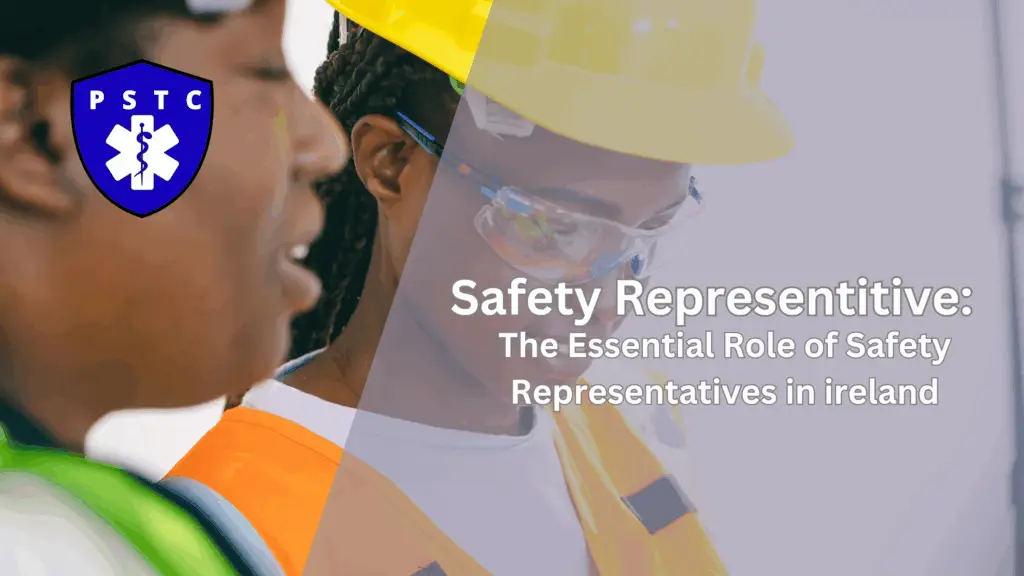
Ensuring a safe and healthy environment in the workplace is a shared responsibility. While employers have the primary obligation, employees also play a critical role in safeguarding their colleagues. Safety Representative Training in Ireland helps empower employees to take on this important role. Safety Representatives act as the link between the workforce and management, ensuring a safety-conscious workplace culture.
What is a Safety Representative?
A Safety Representative is an employee selected by their colleagues to represent them on health, safety, and welfare matters in the workplace. Under Section 25 of the Safety, Health, and Welfare at Work Act 2005, Safety Representatives have the right to raise concerns and make suggestions regarding safety in the workplace. Their role is crucial in ensuring that the employer addresses health and safety issues promptly.
For more information about the legal requirements for Safety Representatives, visit the Health and Safety Authority (HSA) page.
Legal Requirements for Safety Representatives in Ireland
Under Irish law, employers are required to provide Safety Representative Training to ensure that representatives can effectively carry out their duties. This training must be provided during working hours and at no cost to the employee.
Key Legal Points:
- Employers must support Safety Representatives in their roles without interference.
- Representatives must have access to relevant information such as risk assessments and safety statements.
- Safety Representatives are entitled to participate in health and safety consultations and accompany inspectors during workplace inspections.
Responsibilities of Safety Representatives
The Safety Representative Training covers a wide range of duties that are crucial for improving workplace safety. Here are the key responsibilities that Safety Representatives should undertake:
1. Consultation with Management
Safety Representatives regularly engage with management to consult on matters relating to safety, health, and welfare. They represent employee views and help ensure a safer work environment. Regular meetings with the employer help address potential hazards quickly.
2. Workplace Inspections
One of the core tasks of a Safety Representative is conducting regular workplace inspections. These inspections help identify hazards and ensure the workplace complies with safety regulations. Any hazards identified during inspections must be reported to management for corrective action.
3. Accident Investigations
Safety Representatives also play a role in investigating workplace accidents. By looking into the causes of these incidents, they can recommend measures to prevent future occurrences, improving overall safety.
4. Accompanying HSA Inspectors
Safety Representatives may accompany Health and Safety Authority (HSA) inspectors during inspections. Their presence ensures that a worker’s perspective is considered, helping to identify safety issues that might not be obvious to the employer.
5. Ensuring Access to Information
Safety Representatives should have access to essential safety documents, such as risk assessments, safety statements, and hazard reports. This ensures they are equipped to raise safety concerns and protect employees effectively.
Benefits of Having Safety Representatives in the Workplace
Appointing Safety Representatives can significantly improve workplace safety. Some of the main benefits include:
- Improved Communication: Safety Representatives ensure that workers’ safety concerns are communicated effectively to management.
- Proactive Risk Management: By identifying hazards early, Safety Representatives help prevent accidents before they occur.
- Enhanced Compliance: Safety Representatives ensure that workplaces adhere to health and safety laws and regulations.
- Employee Engagement: Involving employees in safety processes promotes a culture of care and responsibility.
Training Requirements for Safety Representatives
For Safety Representatives to perform their roles effectively, appropriate training is essential. Safety Representative Training should cover topics such as:
- Hazard identification and risk assessment
- Safety consultation techniques
- Accident investigation
- Understanding Irish health and safety laws and regulations
At Philip & Son Training Consultants (PSTC), we offer accredited Safety Representative Training in Ireland, designed to meet the needs of workplaces and comply with HSA guidelines. Our courses are tailored to equip individuals with the skills to effectively fulfil their safety responsibilities.
For more information on our Safety Representative Training courses, visit our training page.
Why Choose PSTC for Safety Representative Training?
At PSTC, we know how vital Safety Representative Training is for maintaining a safe workplace. Our courses cover all essential aspects, ensuring that Safety Representatives are well-equipped to carry out their duties effectively.
- Experienced Trainers: Our instructors are experts in workplace health and safety, bringing years of practical experience to each course.
- Flexible Learning Options: We offer both in-person and online training options to meet the diverse needs of our clients.
- Accredited Certification: Successful course completion results in certification recognised by the Health and Safety Authority (HSA).
For more details on the Safety Representative Training we offer, please visit our training page.
Conclusion
Safety Representatives are a crucial part of maintaining a safe and compliant workplace. Their role ensures that health and safety issues are addressed promptly and effectively. By providing comprehensive Safety Representative Training in Ireland, PSTC helps ensure that employees are equipped with the knowledge and skills to foster a safer working environment.
If you are interested in enrolling in Safety Representative Training or would like to learn more about our other courses, please contact us.
Call to Action
For more information on our Safety Representative Training, visit our training courses page or get in touch with our team for further inquiries.